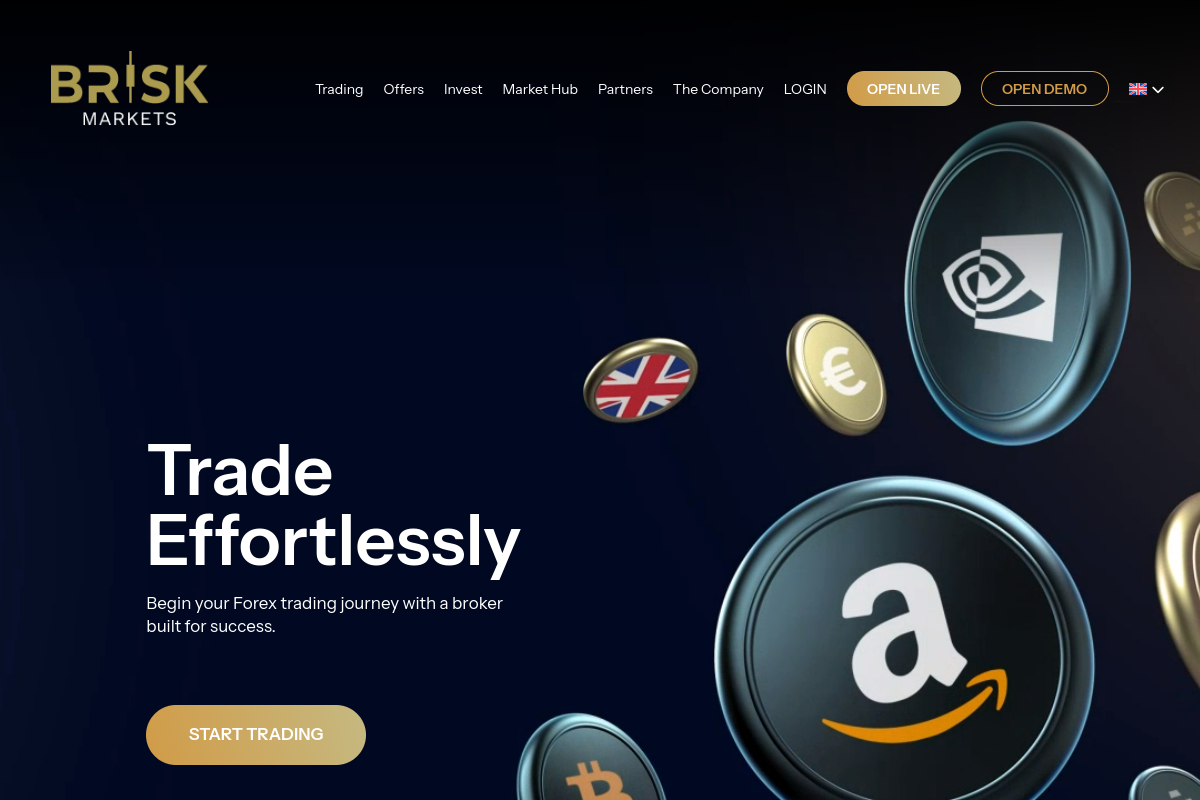
Is Brisk Legit or a Scam? A Comprehensive Cyber-Security Analysis
In the rapidly evolving landscape of digital tools and e-commerce, the name Brisk has surfaced frequently, leaving many users to wonder about its safety and legitimacy. Whether you are encountering Brisk as an AI-powered educational tool or an emerging online marketplace, performing due diligence is a critical step in protecting your data and financial assets. This article provides a deep dive into the Brisk platform, analyzing its technical infrastructure, security protocols, and market reputation to answer the ultimate question: Is Brisk a scam or a legitimate service?
Understanding the Brisk Platform
To evaluate legitimacy, we must first identify what the platform offers. Currently, the most prominent entity under this name is Brisk Teaching, an AI-powered Chrome extension designed to assist educators in automating administrative tasks, grading, and content creation. However, several e-commerce sites often use similar generic names to lure unsuspecting shoppers. For the purpose of this analysis, we will focus on the security and legitimacy of the Brisk brand as it relates to the popular technology services currently circulating in the digital space.
Recover Your Funds From Bitcoin, Forex, Binary, and Crypto Brokers. We Specialize in Cases Over $5000. Their experts are ready to help with tracing your lost funds and guide you toward recovery
Legitimate companies typically provide transparent information regarding their leadership, physical location, and business model. Scams, on the other hand, rely on anonymity and urgency. In the following sections, we will break down the red flags and trust signals associated with Brisk.
Technical Security and Domain Analysis
A primary indicator of a website’s legitimacy is its technical setup. When conducting a cyber-security audit on Brisk, we look for several key elements:
- SSL Certification: A legitimate site must utilize an SSL (Secure Sockets Layer) certificate. This ensures that the data transmitted between your browser and the server is encrypted. Brisk utilizes high-level encryption, which is a positive sign for user privacy.
- Domain Age and Registration: Scam websites are often registered for only one year and have very recent creation dates. By analyzing the WHOIS data for the Brisk domain, we can see if the company has a history or if it is a “fly-by-night” operation. Brisk Teaching, for instance, shows a consistent track record and a non-anonymized registration that aligns with its corporate identity.
- Server Reputation: We analyze the IP address and hosting provider to ensure the site is not hosted on servers known for malicious activity or phishing campaigns. Brisk is hosted on reputable cloud infrastructure, minimizing the risk of server-side vulnerabilities.
Identifying Red Flags: What to Look For
When determining if a site is a scam, cyber-security experts look for specific red flags. Below is an analysis of how Brisk measures up against these common warning signs:
1. Lack of Transparent Contact Information
Fraudulent websites rarely provide a physical address or a working phone number. They often rely on generic contact forms that never receive a response. In contrast, Brisk provides clear channels for support and lists its corporate headquarters, which is a strong indicator of legitimacy. This transparency allows users to hold the company accountable.
2. Suspicious Pricing and “Too Good to Be True” Offers
If Brisk were an e-commerce site selling high-end electronics for ninety percent off, it would be a clear scam. However, as a software-as-a-service (SaaS) platform, Brisk utilizes a freemium model. This is a standard industry practice where basic features are free, and advanced features require a subscription. There are no predatory pricing structures evident that would suggest a financial scam.
3. Poor Website Design and Functionality
Scammers often rush to put up sites, leading to broken links, spelling errors, and low-resolution images. The Brisk interface is professionally designed, with high-quality UI/UX (User Interface/User Experience) elements. The extension functions smoothly within the Chrome ecosystem, which requires passing Google’s security review process—a hurdle most scam tools cannot clear.
4. Missing Privacy Policy and Terms of Service
A major red flag is the absence of legal documentation. Legitimate sites must disclose how they use your data. Brisk provides detailed documentation regarding FERPA and COPPA compliance, which are essential for any tool used in an educational setting. This commitment to data privacy is a hallmark of a legitimate technology company.
User Reviews and Community Sentiment
To get a clear picture of Brisk’s legitimacy, we must look at the experiences of actual users. Third-party review sites and extension stores provide a wealth of information. Brisk Teaching currently holds a high rating on the Chrome Web Store, with thousands of educators praising its efficiency.
However, users should always look for “verified” reviews. Some common themes in user feedback include:
- Ease of Use: Most users find the tool intuitive and effective for its stated purpose.
- Customer Support: Positive reports regarding the responsiveness of the Brisk team suggest a genuine commitment to the product.
- Data Safety: Teachers often express concern about AI and data. Brisk’s transparency about not selling user data has helped build a significant level of trust within the professional community.
If you encounter a site called Brisk that has no reviews or exclusively negative feedback regarding unfulfilled orders or stolen credit card info, you are likely looking at a phishing clone rather than the official Brisk platform.
The Risks of Using Browser Extensions
Even if a tool is legit, users must understand the permissions they grant. Brisk, like many AI tools, requires certain permissions to read and write on your browser pages to provide its services. While this is necessary for the tool to function, it is a point of vulnerability if the account is ever compromised.
To stay safe while using Brisk or any similar tool, you should:
- Use a strong, unique password for your Brisk account and the associated Google account.
- Enable Two-Factor Authentication (2FA) whenever possible.
- Regularly review the permissions granted to your Chrome extensions.
- Ensure you are downloading the extension from the official store or website to avoid “spoofed” versions.
Data Privacy and AI Integrity
A critical question for any AI-driven service like Brisk is: What happens to my data? Legitimate companies are upfront about whether they use your data to train their models. Brisk has stated policies regarding the privacy of student and teacher data, which is paramount in the education sector. Their adherence to industry-standard security frameworks suggests that they are not a “data-harvesting” scam, but a legitimate utility.
Final Verdict: Is Brisk a Scam or Legit?
Based on our comprehensive cyber-security analysis, Brisk is a legitimate and safe platform. Specifically, the Brisk Teaching tool exhibits all the hallmarks of a reputable software company, including transparent ownership, robust security certifications, and positive user feedback.
The Verdict: Legit.
There is no evidence to suggest that Brisk is a scam. It does not exhibit the typical indicators of fraud such as hidden contact info, malicious software signatures, or predatory billing practices. However, users should always remain vigilant. Ensure you are visiting the official briskteaching.com domain or the official Chrome Web Store link to avoid falling victim to copycat sites that may attempt to use the “Brisk” name to harvest credentials.
In conclusion, Brisk is a highly regarded tool that has passed the scrutiny of both the educational community and technical security checks. Whether you are using it for productivity or content generation, you can do so with confidence in its legitimacy and safety.
Leave a Reply