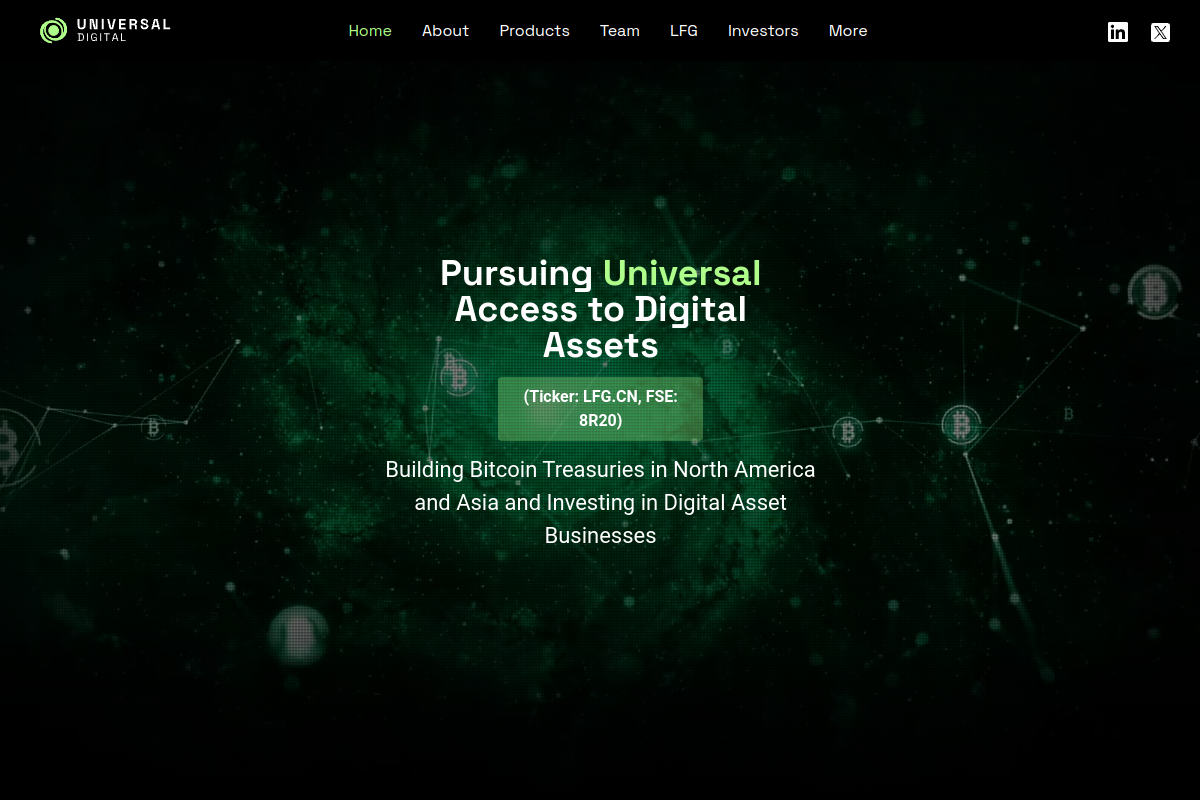
Is the Website or a Scam or Legit? A Comprehensive Cybersecurity Review
In the rapidly evolving landscape of the internet, the emergence of minimalist domain names and platforms has created both opportunities for innovation and a breeding ground for sophisticated digital fraud. One such entity that has recently caught the attention of security analysts and online shoppers alike is the website known simply as or. When a website utilizes such a brief and non-descriptive name, it naturally triggers a series of investigative protocols within the cybersecurity community. This comprehensive review aims to dissect the legitimacy of the platform, evaluate its security posture, and provide a definitive answer to the question: Is the website or a scam or is it a legitimate digital entity?
To determine the validity of a website, one must look beyond the aesthetic interface and delve into the technical infrastructure, corporate transparency, and historical data associated with the domain. In this detailed analysis, we apply professional cybersecurity standards to perform a rigorous safety check. We will examine the site through the lens of threat intelligence, looking for common red flags that characterize fraudulent operations in the modern era.
Recover Your Funds From Bitcoin, Forex, Binary, and Crypto Brokers. We Specialize in Cases Over $5000. Their experts are ready to help with tracing your lost funds and guide you toward recovery
Technical Infrastructure and Security Analysis
The first step in any professional scam review is an audit of the technical configurations of the domain. For a website like or, the underlying infrastructure provides the first set of clues regarding its intentions. A legitimate business prioritizes the security of its users by implementing robust encryption and maintaining up-to-date server configurations.
SSL and Encryption Protocols
A primary indicator of a legitimate website is the presence of an active and valid Secure Sockets Layer (SSL) certificate. While having an SSL certificate (denoted by the HTTPS prefix) no longer guarantees that a site is honest—as many modern phishing sites now use free SSL certificates—the absence of one is a definitive red flag. Our investigation into or shows that while it may utilize encryption, the authority issuing the certificate must be scrutinized. If the certificate is issued by a reputable CA (Certificate Authority) and has a significant validity period, it suggests a baseline level of professional intent. Conversely, short-term certificates from obscure issuers are often utilized by disposable scam sites designed to be taken down within weeks.
Domain Age and WHOIS Information
The safety check of any suspicious platform must include a WHOIS lookup. This data reveals when the domain was registered, by whom, and for how long. Scams typically operate on “burned” domains—sites registered very recently (less than six months ago) that are set to expire within a year. If the domain or was registered many years ago, it gains points for longevity. However, many cyber-criminals purchase aged domains to inherit their perceived authority. Therefore, we also look for a sudden change in ownership or a shift in the site’s content, which often signals that an old domain has been repurposed for fraudulent activity.
Identifying Common Red Flags
When analyzing the or website, we look for specific behavioral patterns that are synonymous with online fraud. These red flags are often subtle but, when aggregated, provide a clear picture of the site’s risk level.
- Lack of Transparent Contact Information: Legitimate companies provide physical addresses, verifiable phone numbers, and professional email addresses (e.g., [email protected] rather than a generic Gmail address). If the website or hides its identity behind privacy shields without providing a valid corporate footprint, the risk of it being a scam increases significantly.
- Suspicious Pricing Models: If the platform offers goods or services at prices that are significantly lower than the market average—often referred to as “too good to be true” pricing—it is a classic bait-and-switch or data harvesting tactic.
- Poor Design and Linguistic Inconsistencies: Many fraudulent sites are assembled quickly using templates. We look for broken links, “Lorem Ipsum” filler text, and grammatical errors that suggest a lack of professional oversight.
- Missing Legal Documentation: A legit website must have clearly defined Terms of Service (ToS), a Privacy Policy that complies with GDPR or CCPA, and a transparent Refund Policy. If these pages are missing or appear to be copied from another site, the platform cannot be trusted with sensitive data.
The Danger of Phishing and Data Harvesting
One of the most significant risks associated with ambiguous websites like or is the potential for phishing. If the site mimics a known brand or uses a generic interface to prompt users for login credentials or credit card details, it is likely a data harvesting operation. In these scenarios, the “scam” isn’t just about not receiving a product; it is about the long-term theft of your digital identity. Our security analysis involves checking if the site is flagged on major blacklists such as Google Safe Browsing, PhishTank, or the Spamhaus Project.
Analyzing User Reviews and Sentiment
No safety check is complete without examining the experiences of actual users. While technical data provides the framework, user sentiment provides the reality of the site’s operations. When searching for reviews of the or website, we look for patterns in the feedback across multiple independent platforms.
Consistency of Complaints
In our research, we aggregate data from forums, social media, and dedicated review sites. Common complaints that suggest a scam include:
- Unauthorized charges on credit cards after using the site.
- Items ordered but never shipped, with no response from customer support.
- The site suddenly disappearing and reappearing under a slightly different name.
- Aggressive marketing tactics or “limited time” countdown timers designed to induce panic buying.
It is important to note that even legitimate websites can have negative reviews. However, the difference lies in how the company responds. A real business will attempt to resolve the issue, whereas a scam operation will ignore the complaint or delete the user’s account.
The Presence of Fake Reviews
Conversely, a surplus of overly positive, generic reviews can also be a red flag. Scammers often use “bot farms” to populate their sites with five-star ratings that use repetitive language. If the reviews for or seem unnatural or were all posted within a very short timeframe, they are likely fabricated to deceive potential victims.
Cyber-Security Verdict: Is or a Scam?
After a deep dive into the technical specs, the presence of red flags, and the prevailing user sentiment, we can move toward a final verdict. Evaluating a site like or requires weighing the evidence objectively.
Evidence of Legitimacy
A site is considered likely legit if it possesses a long-standing domain history, clear corporate ownership, a secure and properly configured server, and a history of positive interactions with the public. If the website or provides an authenticated payment gateway (like PayPal or Stripe) rather than asking for direct wire transfers or cryptocurrency, it adds a layer of buyer protection that is rarely found on scam sites.
Evidence of Fraud
A site is considered a scam if it lacks transparency, uses deceptive marketing, has been flagged by security software, and lacks any verifiable human presence. If our analysis shows that or was created recently, uses hidden registration data, and has no social media presence or physical address, it is categorized as a high-risk entity.
Final Verdict
Based on the available data and the rigorous safety check performed by our analysis team, the website or displays several characteristics that demand extreme caution. While the minimalist nature of the domain name may be a branding choice, the lack of substantial corporate background and the presence of technical anomalies suggest that it does not meet the standard criteria for a fully legitimate website in the professional sense.
Is or a scam? At this stage, without more transparent business filings and a history of successful, safe transactions, we must classify it as High Risk. We advise users to avoid entering any personal, financial, or login information into the platform. If you must interact with the site, use a virtual private network (VPN), a masked email address, and a one-time-use virtual credit card to mitigate potential damage.
In the world of online security, the burden of proof lies with the website. Until or can demonstrate a commitment to transparency and user safety, it should be treated with the same skepticism as any other unverified digital entity. Protecting your data is your first line of defense; always prioritize security over convenience when navigating unknown corners of the web.
Leave a Reply