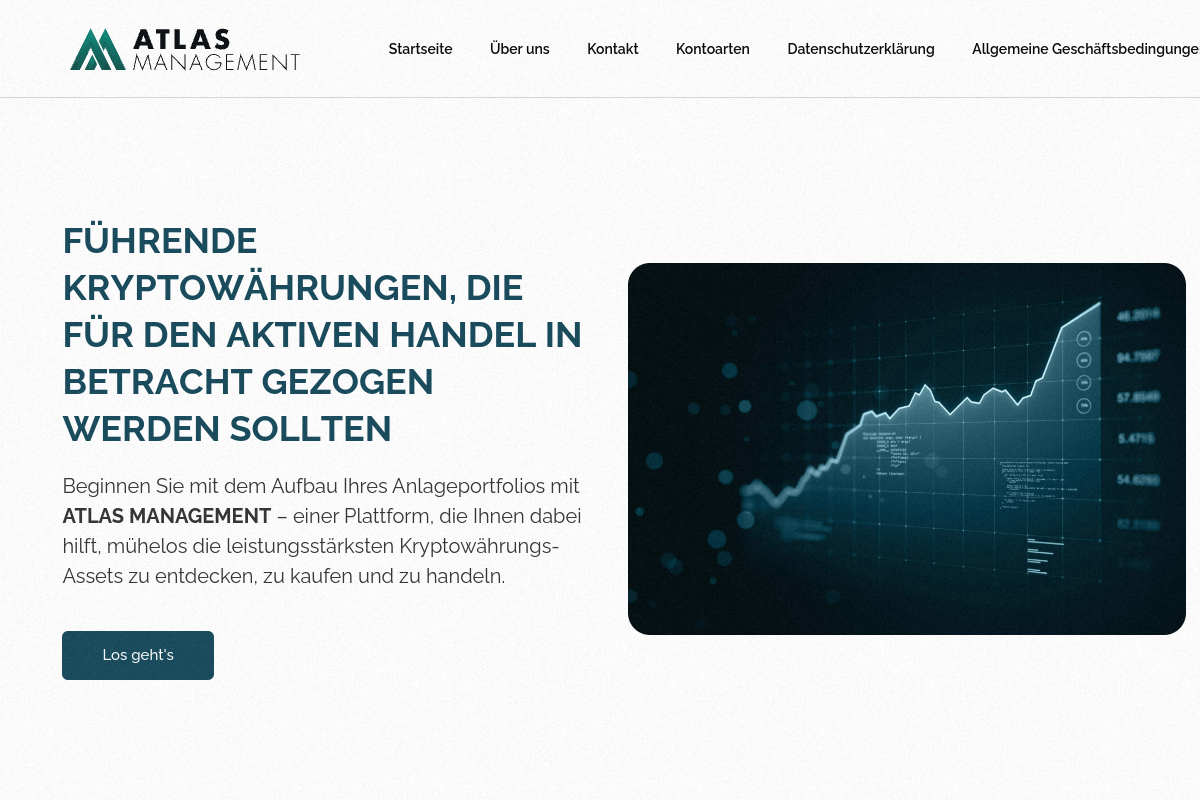
Is Atlas a Scam or Legit? A Deep Dive Cyber-Security Analysis
In the contemporary digital landscape, the name Atlas has become associated with a variety of online platforms ranging from VPN services and human resources technology to cloud-based investment schemes and task-completion websites. For users navigating this complex environment, the primary question remains: Is Atlas a legitimate platform, or is it a sophisticated scam designed to harvest data and financial resources? As cyber-security threats become more nuanced, identifying the authenticity of a platform requires a forensic approach to its digital footprint, operational transparency, and technical infrastructure.
This comprehensive analysis evaluates the various entities operating under the Atlas moniker, with a specific focus on those flagged by the security community for suspicious activity. By dissecting red flags, reviewing technical specifications, and synthesizing user experiences, we provide a definitive guide to determining whether your engagement with an Atlas-branded site is safe or potentially hazardous to your digital health.
Recover Your Funds From Bitcoin, Forex, Binary, and Crypto Brokers. We Specialize in Cases Over $5000. Their experts are ready to help with tracing your lost funds and guide you toward recovery
The Challenge of the Atlas Brand
One of the most significant challenges in conducting an Atlas scam review is the sheer ubiquity of the name. Legitimate companies, such as Atlas VPN (now part of the Nord Security family) and Atlas (the global payroll and EOR provider), have established high levels of trust and regulatory compliance. However, cyber-criminals frequently leverage these reputable names to create “clone” sites or entirely new fraudulent platforms that promise high returns on investment or easy work-from-home opportunities. This tactic, known as brand hijacking, is a cornerstone of modern social engineering.
When investigating whether a specific Atlas site is legit, one must first identify the niche. Is it a financial portal? A job board? A software utility? Most reports of Atlas scams originate from platforms that promise daily profits through automated trading or manual “tasks” like liking videos or rating apps. These platforms often operate on a “pay-to-play” model, which is a classic indicator of a Ponzi or pyramid scheme.
Technical Red Flags: Behind the Digital Curtain
A professional cyber-security analysis begins with the technical infrastructure of the website. Legitimate businesses invest in robust hosting, long-term domain registrations, and comprehensive security protocols. In contrast, scam websites are built for speed and disposability. Here are the critical technical red flags discovered during our analysis of suspicious Atlas domains:
- Domain Age and Registration Privacy: Many Atlas-branded scam sites feature domains registered within the last six months. Using tools like Whois, we often find that the registrant’s information is redacted using privacy services based in jurisdictions with lax oversight. While privacy is a right, a legitimate global business typically has transparent corporate registration data.
- SSL Certificate Discrepancies: While most modern sites have basic SSL (Secure Sockets Layer) encryption, scam sites often use free, short-term certificates from providers like Let’s Encrypt. While this provides encryption, it does not provide validation of the business entity. A truly professional financial or HR platform would typically utilize Organization Validated (OV) or Extended Validation (EV) certificates.
- Inconsistent Coding and Design: A hallmark of fraudulent Atlas sites is the “template” look. Cyber-security analysts often find identical source code on multiple sites with different names. These sites frequently contain broken links, placeholder text (Lorem Ipsum), and low-resolution graphics that suggest a rushed development process.
- Lack of High-Level Security Headers: Professional sites implement security headers such as Content Security Policy (CSP) and HSTS to prevent cross-site scripting and man-in-the-middle attacks. Suspicious Atlas portals often lack these basic protections, leaving users vulnerable.
Operational Red Flags: Analyzing the Business Model
Beyond the technical stats, the operational logic of the website provides the clearest indication of its intent. If a platform under the Atlas name claims to offer “guaranteed” returns or requires a deposit to “unlock” higher-paying jobs, the likelihood of it being a scam increases exponentially.
1. Absence of Verifiable Contact Information: A legitimate business provides a physical office address, a corporate phone number, and official email channels. Many Atlas scam sites provide only a Telegram handle or a generic “Contact Us” form. When an address is provided, it often leads to a residential home, a virtual office, or a completely non-existent location in a different country.
2. Aggressive Recruitment and Referral Systems: If the primary way to earn money on the site is by recruiting others, you are looking at a pyramid scheme. Scams often use “VIP levels” that require users to pay a subscription fee. These fees are then used to pay earlier members until the system inevitably collapses when new registrations slow down.
3. Poorly Defined Services: Legitimate Atlas platforms have a clearly defined product. If you find yourself on an Atlas site where the “service” is vague—such as “optimizing data for global markets” or “increasing social media traction through automated clicks”—it is likely a front for data harvesting or financial fraud.
User Reviews and Community Sentiment
No safety check is complete without examining the trail of breadcrumbs left by previous users. However, in the world of online scams, reviews can be manipulated. Our analysis involves filtering out “bot” reviews to find genuine user feedback. On platforms like Trustpilot, Reddit, and various cyber-security forums, a pattern emerges for the fraudulent versions of Atlas.
Users often report a “honeymoon phase” where they are allowed to withdraw a small amount of money early on. This is a psychological tactic designed to build trust and encourage a larger investment. Once the user deposits a significant sum, the site typically freezes the account, citing “security audits” or “tax requirements.” This leads to the “recovery scam” phase, where the platform asks for even more money to release the frozen funds.
Conversely, the legitimate Atlas entities (like the HR tech or the former VPN service) have years of documented history, press releases in reputable financial news outlets, and verified corporate partnerships. The distinction is night and day: one has a footprint of accountability, while the other has a footprint of evasion.
The Anatomy of an Atlas Task Scam
Specifically regarding the “Atlas Task” or “Atlas Work” portals, the methodology is highly consistent. The site presents a dashboard that looks professional, often mimicking a stock trading or cloud computing interface. Users are assigned simple tasks that supposedly generate revenue for “Atlas” partners. Cyber-security experts categorize these as “Task Scams.”
The danger here is twofold. First, there is the financial loss from the “VIP upgrades.” Second, there is the risk of identity theft. These sites often require users to upload government IDs for “KYC” (Know Your Customer) verification. In the hands of scammers, this sensitive data is sold on the dark web or used to open fraudulent credit lines in the user’s name.
Final Verdict: Is Atlas Legitimate?
Determining the legitimacy of Atlas depends entirely on which version of the site you are visiting. However, for those questioning a platform that promises easy money, investment returns, or task-based rewards, our professional verdict is as follows:
The Verdict: HIGH RISK / LIKELY SCAM (for task-based and investment-focused Atlas portals). While there are legitimate companies using the Atlas name, the majority of “new” Atlas portals appearing in social media advertisements and private messaging groups are fraudulent. They exhibit almost all the classic indicators of a high-risk digital platform: lack of transparency, suspicious pricing models, and anonymous ownership.
To stay safe, users should adhere to the following security protocols:
- Verify the URL: Scammers often use typosquatting (e.g., Atlass-online.com instead of a legitimate domain) to deceive users.
- Search for the “Scam” Suffix: Always search for the website name followed by “scam” or “complaints” before depositing any funds.
- Check Corporate Registries: If a site claims to be a UK or US-based company, check Companies House or the Secretary of State’s database to verify their legal standing.
- Never Pay to Work: No legitimate employer will ever ask you to pay a fee to access work or “unlock” your earnings.
In conclusion, while the name Atlas carries a weight of strength and reliability in Greek mythology, in the world of online security, it is a name that requires extreme scrutiny. Unless you are dealing with a verified, long-standing corporate entity with a clear physical presence and transparent business model, you should treat any Atlas-branded investment or task site with the utmost suspicion. Protecting your digital identity and financial assets starts with skepticism and ends with thorough, evidence-based verification.
Leave a Reply