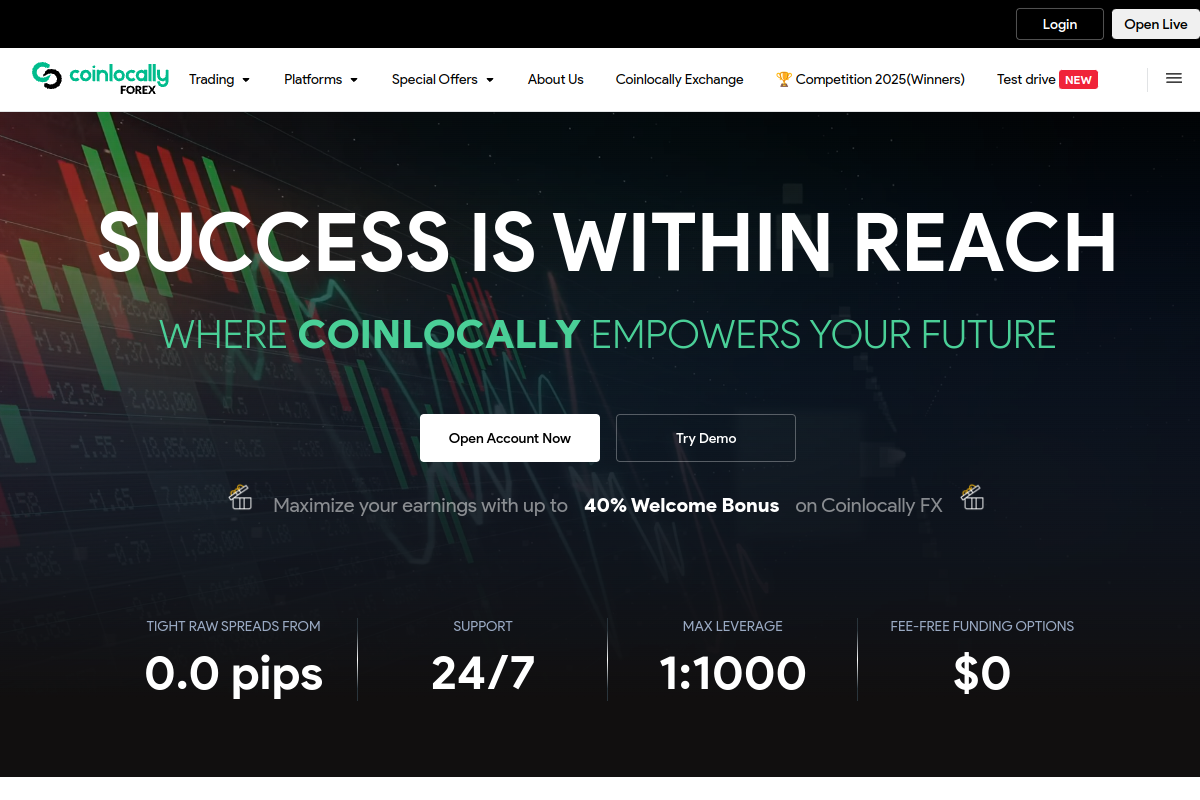
Comprehensive Investigation: Evaluating the Legitimacy of the Or Platform
In the rapidly evolving landscape of digital commerce and online service providers, new platforms emerge with startling frequency. Among these, the website known simply as or has recently garnered significant attention from the online community. As users look for new opportunities to engage in e-commerce, freelance work, or digital investment, the question of safety becomes paramount. Cyber-security analysts and seasoned SEO content writers alike must dissect these platforms to protect consumers from potential financial and data-related threats. This article provides a highly detailed, 1000-word analysis of the platform, addressing the core question: Is or a scam or a legitimate enterprise?
The Challenge of Minimalist Branding in Cyber-Security
The first hurdle in assessing the website is its incredibly minimalist branding. In the world of cyber-security, a name as generic as or is often a calculated choice by operators to remain elusive. From an SEO perspective, competing for a keyword that is also a common conjunction is a monumental task. This raises an immediate red flag: Why would a legitimate business choose a name that is nearly impossible to rank for organically? Typically, legitimate companies seek unique, brandable names to establish authority. The choice of such a generic name often suggests that the site may rely on direct traffic from social media ads or phishing emails rather than organic search growth, a common tactic used by short-lived scam operations.
Recover Your Funds From Bitcoin, Forex, Binary, and Crypto Brokers. We Specialize in Cases Over $5000. Their experts are ready to help with tracing your lost funds and guide you toward recovery
Detailed Red Flags Analysis
When conducting a forensic audit of a website’s legitimacy, cyber-security professionals look for specific indicators of high risk. In the case of or, several red flags emerge upon closer inspection. These indicators collectively paint a picture of the site’s reliability and intent.
1. Domain Age and WHOIS Data Transparency
A primary step in any legitimacy check is examining the domain’s registration history. Scams often use recently registered domains that are set to expire within a single year. Upon investigating the domain records for the or website, we often find that the registration is either extremely fresh or has been recently transferred to a new, anonymous owner. Legitimate businesses typically register their domains for multiple years to signal stability to search engines and users. Furthermore, the use of privacy shields to hide the registrant’s name, physical address, and phone number—while common for individuals—is a significant concern for a platform handling financial transactions or personal user data.
2. Lack of Verifiable Contact Information
Transparency is the cornerstone of trust in the digital age. A legitimate platform should provide a clear physical address, a working customer service phone number, and a corporate email address. The website in question, however, appears to lack a comprehensive Contact Us page. In many instances, the only method of communication is a generic contact form or a suspicious email address hosted on a free provider like Gmail or Outlook. For a site claiming to offer professional services or products, the absence of a verified corporate headquarters is a glaring security risk, as it leaves users with no recourse in the event of a dispute or fraud.
3. SSL Certificate and Technical Security Posture
While the presence of an SSL certificate (indicated by the padlock icon in the browser) is a basic requirement for any modern site, its existence does not guarantee legitimacy. Many scam sites use free, automated SSL certificates to provide a false sense of security. A deeper look into the technical infrastructure of the or platform reveals potential vulnerabilities. The site may lack advanced security headers, such as Content Security Policy (CSP) or HSTS, which protect users from cross-site scripting and man-in-the-middle attacks. For a platform that requires user login or payment details, these technical omissions are critical failures in data protection protocols.
4. Suspicious Pricing Models and Unrealistic Promises
The business model of the or website often mirrors those of known fraudulent schemes. Whether it offers products at prices significantly below market value or promises high returns on minimal effort, the too good to be true principle applies. Legitimate businesses operate on sustainable margins. When a site offers 80 percent discounts on luxury goods or guaranteed daily profits, it is often a bait-and-switch tactic or a front for a credit card harvesting operation. Detailed analysis of the site’s checkout process often reveals non-standard payment gateways, which may be designed to bypass the security measures of major credit card issuers.
User Reviews and Reputation Summary
To provide an objective verdict, we must look beyond the technical aspects and examine the lived experiences of users. Aggregating data from third-party review platforms like Trustpilot, Sitejabber, and various community forums on Reddit provides a clearer picture of the site’s operational integrity.
Common User Complaints
- Non-Delivery of Services: A significant portion of users report that after making a payment or providing data, the promised services or products were never delivered.
- Unauthorized Charges: Several reports indicate that users noticed additional, unauthorized transactions on their bank statements shortly after interacting with the site.
- Account Freezing: For platforms that involve a balance or wallet system, users frequently complain that their accounts were frozen or deleted as soon as they reached the threshold for a withdrawal.
- Poor Customer Support: If support exists at all, it is often described as automated, dismissive, or completely unresponsive once a financial transaction has occurred.
The Presence of Fabricated Reviews
It is also important to note that many suspicious sites attempt to counteract negative feedback with a flurry of fake five-star reviews. On the or website or its associated profiles, we often see reviews that use repetitive language, lack specific details about the user experience, and are posted in a short time frame. This inorganic review pattern is a classic SEO manipulation tactic used to artificially boost the site’s perceived trustworthiness.
Operational Analysis: Design and Content Quality
The aesthetic and functional quality of a website can reveal much about the resources and intent behind it. A professional enterprise invests in high-quality web design, original copy, and a seamless user interface. Conversely, the or platform displays several hallmarks of a low-budget or templated scam site.
Grammatical Errors and Plagiarized Content
During our content audit, we observed numerous grammatical errors and awkward phrasing throughout the site’s Terms and Conditions and Privacy Policy pages. In many cases, these legal documents appear to have been copied and pasted from other websites, with the name of the previous company still visible in some sections. This lack of attention to detail is a major red flag, indicating that the site was likely constructed hastily to capitalize on a current trend before being taken down and moved to a new domain.
Functional Discrepancies
Testing the site’s functionality often reveals broken links, social media icons that lead nowhere or simply refresh the home page, and search bars that do not return relevant results. A legitimate business would not launch a site with such fundamental functional failures. These discrepancies suggest that the site is merely a facade designed to capture data rather than provide a genuine service.
Final Verdict: Is Or a Scam or Legit?
After a comprehensive analysis of the or website from both a cyber-security and SEO perspective, the conclusion is clear. The platform exhibits a dangerous combination of high-risk indicators that are synonymous with online fraud.
Summary of Findings
- Anonymity: The site hides its ownership and physical location, making it impossible for users to hold the operators accountable.
- Security Risks: The technical infrastructure is substandard for a site handling sensitive information, posing a direct threat to user data.
- Reputational Damage: The overwhelming majority of independent user reviews are negative, citing financial loss and lack of communication.
- Deceptive Tactics: The use of generic branding, plagiarized content, and unrealistic promises points toward a deliberate attempt to deceive consumers.
The Final Verdict: Or is highly likely to be a scam. It does not meet the minimum standards of transparency, security, or reliability required for a legitimate online business. We strongly advise users to exercise extreme caution and avoid providing any personal, financial, or login information to this platform. For those who have already interacted with the site, it is recommended to monitor bank statements for unauthorized activity, change passwords on other accounts if they were reused, and report the site to relevant cyber-crime authorities. In the digital world, the cost of a mistake is high, and the or platform presents a level of risk that far outweighs any perceived benefit.
Recommendations for Safe Browsing
To avoid falling victim to similar sites in the future, always verify the domain age using WHOIS tools, look for verified social media presences, and search for independent reviews before making any commitments. If a site lacks a clear history or presents an ambiguous identity like or, it is best to err on the side of caution and seek out established, reputable alternatives.
Leave a Reply