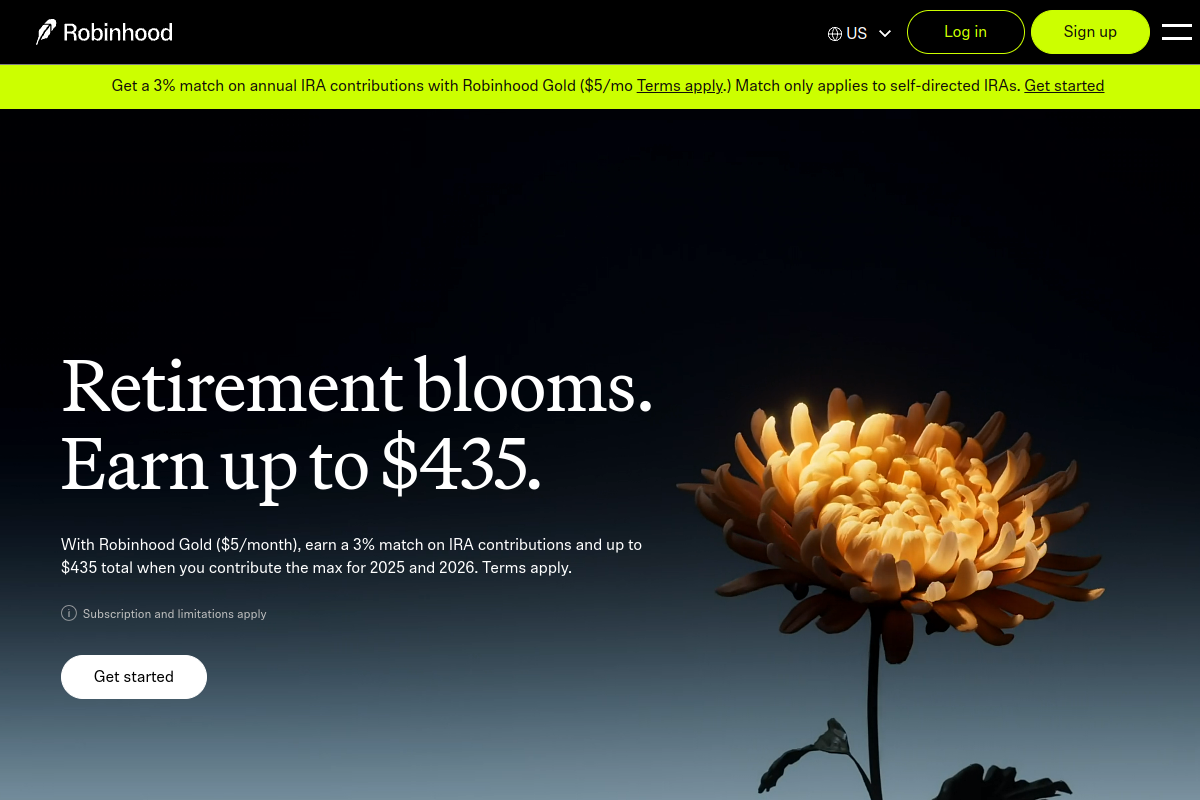
Robinhood Review: Is the Trading Platform a Scam or Legit?
In the rapidly evolving landscape of digital finance, the question of whether a platform is a scam or a legitimate service is paramount. Among the most discussed names in the fintech sector is Robinhood. Since its inception, Robinhood Markets, Inc. has positioned itself as a disruptor, aiming to democratize finance for all. However, with disruption comes scrutiny. This comprehensive analysis evaluates Robinhood through the lens of a cybersecurity analyst and SEO content specialist to determine its legitimacy, safety protocols, and overall reliability for modern investors.
Understanding the Robinhood Phenomenon
Robinhood was founded in 2013 with a revolutionary premise: commission-free trading. By removing the traditional seven to ten dollar fee per trade, the platform attracted millions of retail investors, particularly from the millennial and Gen Z demographics. Today, it offers trading in stocks, exchange-traded funds (ETFs), options, and cryptocurrencies. To determine if Robinhood is a scam, we must look beyond its popularity and examine its regulatory standing and technical infrastructure.
Recover Your Funds From Bitcoin, Forex, Binary, and Crypto Brokers. We Specialize in Cases Over $5000. Their experts are ready to help with tracing your lost funds and guide you toward recovery
Regulatory Oversight: The Foundation of Legitimacy
The primary indicator of a legitimate financial platform is its adherence to government regulations. Scams typically operate outside the reach of federal oversight to avoid accountability. Robinhood, however, is heavily regulated. Robinhood Financial LLC is a registered broker-dealer with the U.S. Securities and Exchange Commission (SEC). Furthermore, it is a member of the Financial Industry Regulatory Authority (FINRA), a private corporation that acts as a self-regulatory organization for brokerage firms and exchange markets.
Another critical layer of protection is the Securities Investor Protection Corporation (SIPC). Robinhood is a member of the SIPC, which protects the securities and cash in your brokerage account up to five hundred thousand dollars, including a two hundred and fifty thousand dollar limit for cash. This level of insurance is a standard hallmark of legitimate financial institutions and is notably absent in fraudulent or scam-based trading schemes.
Cybersecurity Analysis: Protecting User Assets
From a cybersecurity perspective, a platform is only as good as its defense mechanisms. A common red flag for scam websites is the absence of modern security protocols. Robinhood employs industry-standard measures to safeguard user data and funds:
- Encryption: The website and mobile application utilize SSL (Secure Sockets Layer) encryption. This ensures that all data transmitted between the user’s device and Robinhood’s servers is encrypted and protected from interception.
- Two-Factor Authentication (2FA): Robinhood encourages and supports 2FA via SMS or authenticator apps. This adds a vital layer of security, preventing unauthorized access even if a user’s password is compromised.
- Biometric Security: The mobile app supports FaceID and fingerprint recognition, leveraging hardware-level security to verify the user’s identity.
- Cold Storage: For its cryptocurrency offerings, Robinhood claims to keep the majority of user coins in cold storage (offline wallets), which significantly reduces the risk of loss due to exchange hacks.
Analyzing Common Red Flags
When performing a scam check on any digital platform, analysts look for specific warning signs. Let us evaluate Robinhood against these criteria:
1. Lack of Contact Information
Fraudulent sites often hide their physical address or provide no way to contact support. Robinhood is a publicly traded company (NASDAQ: HOOD) with a physical headquarters in Menlo Park, California. While the platform was historically criticized for a lack of live phone support, they have since introduced 24/7 phone and chat support through their app, addressing one of the most significant concerns regarding their transparency.
2. Suspicious Pricing and Hidden Fees
Scams often lure victims with “guaranteed returns” or hidden exit fees. Robinhood is transparent about its “commission-free” model. However, it is important to understand Payment for Order Flow (PFOF). Robinhood earns revenue by routing trades through market makers. While some view this as a conflict of interest, it is a legal and common practice among discount brokerages, not a scam.
3. Poor Website Design and User Experience
A “fly-by-night” scam usually features a poorly designed website with broken links and grammatical errors. Robinhood’s interface is world-class, often cited as the gold standard for financial app design. The technical sophistication required to maintain such a platform is beyond the scope of typical fraudulent operations.
4. Missing SSL Certificates
A legitimate financial site will always have a valid SSL certificate. Robinhood’s domain is verified, and the presence of the HTTPS protocol confirms that the site is secure and its identity is authenticated by a trusted certificate authority.
Past Controversies and Operational Failures
To provide an objective review, we must address why some users label Robinhood a scam despite its legal status. Most of these accusations stem from operational failures and controversial business decisions rather than criminal fraud.
The most notable incident occurred in January 2021 during the “meme stock” short squeeze involving GameStop (GME) and AMC. Robinhood temporarily restricted users from purchasing these volatile stocks. This led to widespread public outcry, lawsuits, and a congressional hearing. While the company cited clearinghouse deposit requirements as the reason for the freeze, many retail investors felt the platform had betrayed its mission to democratize finance.
Additionally, the platform has faced outages during periods of high market volatility, preventing users from executing trades. In June 2021, Robinhood was ordered by FINRA to pay approximately seventy million dollars in fines and restitution for “systemic failures” and providing “false or misleading information” to users. These issues highlight operational risks, but they are distinct from the intentional deception found in a financial scam.
User Reviews Summary
User sentiment regarding Robinhood is polarized. On platforms like the Better Business Bureau (BBB) and Trustpilot, the company holds a lower rating than many traditional banks. Common complaints include:
- Account freezes for security reviews.
- Difficulty reaching human agents during complex technical issues.
- Frustration over the 2021 trading restrictions.
Conversely, on the Apple App Store and Google Play Store, Robinhood maintains high ratings, with millions of users praising the app’s ease of use, the ability to buy fractional shares, and the intuitive educational resources provided for beginners. The discrepancy often arises because satisfied users rarely leave reviews, while those experiencing technical hurdles are highly vocal.
Know Your Customer (KYC) Protocols
Another sign of legitimacy is Robinhood’s adherence to Know Your Customer (KYC) and Anti-Money Laundering (AML) laws. When you sign up, Robinhood requires your Social Security number, proof of identity, and financial background information. While this may seem intrusive to some, these are federal requirements for all legitimate U.S. financial institutions. A scam site would likely avoid these steps to remain anonymous and facilitate illegal transfers.
The Verdict: Is Robinhood a Scam or Legit?
Based on extensive cybersecurity analysis, regulatory verification, and corporate transparency, the verdict is clear: Robinhood is a legitimate financial services platform. It is not a scam. It is a legally operating, SEC-registered, and FINRA-regulated brokerage firm that manages billions of dollars in assets.
However, “legitimate” does not necessarily mean “perfect.” Potential users should be aware of the following:
- Operational Risk: The platform has experienced technical outages in the past.
- Customer Service: While improved, support is primarily digital-first.
- PFOF Model: Users should understand that their data and order flow are part of the company’s revenue stream.
If you are looking for a secure trading platform that is easy to navigate, Robinhood is a safe and legal choice. Its use of high-level encryption, 2FA, and its membership in the SIPC provide the necessary safeguards to protect your capital from external threats. While its past controversies serve as a cautionary tale about market volatility and platform stability, they do not classify the company as a fraudulent entity. Investors should always conduct their own due diligence, but from a technical and legal standpoint, Robinhood is a legit and secure environment for retail trading.
Final Safety Tips for Robinhood Users
To maximize your safety on any legitimate platform, follow these cybersecurity best practices:
- Always enable two-factor authentication using an app like Google Authenticator rather than just SMS.
- Use a unique, strong password that is not shared with any other account.
- Be wary of phishing attempts: Robinhood will never ask for your password via email or text message.
- Monitor your account activity regularly to spot any unauthorized transactions immediately.
By combining a legitimate platform with proactive security habits, you can navigate the financial markets with confidence.
Leave a Reply